
Transforming Agroforestry Residues into Sustainable Bioplastics
- LIFE Programme-funded initiative aiming to decarbonize bioplastic production.
- Lignocellulosic residues as a sustainable alternative to fossil-based plastics.
- Bioplastics innovation to get to fabricate from food packaging products to bags for the collection of OFMSW or dehumidifiers.
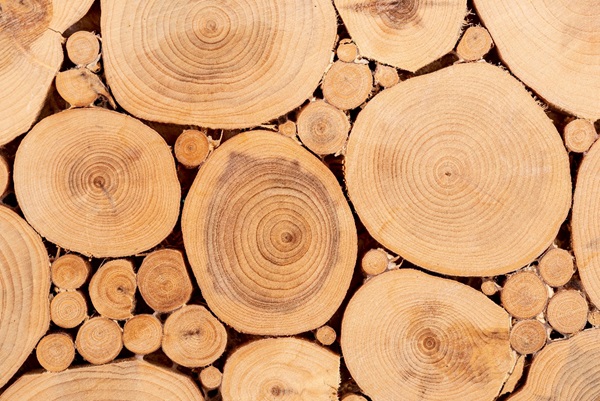
A promising new initiative, WOOD4PLASTIC, has been launched to address the need for sustainable alternatives in the bioplastics industry. The 36-month initiative, funded under the LIFE Programme with a budget nearing €3 million, will focus on using agroforestry residues to develop innovative, cost-effective bioplastics. Coordinated by Aitiip Technology Centre, WOOD4PLASTIC aims to revolutionize the sector by optimizing the conversion of lignocellulosic materials into biobased, compostable products for multiple applications.
The WOOD4PLASTIC project tackles one of the main challenges in bioplastic production: the inefficiency of downstream processing. By improving the methods used to extract sugars and lignin from lignocellulosic biomass, the project will advance the manufacturing of bio-based plastics that are not only sustainable but also economically viable. Specifically, WOOD4PLASTIC focuses on refining techniques for separating sugars from lignin, ensuring their purity for industrial fermentation, while valorising lignin into materials suitable for bioplastic production.
«This project has the potential to change the way bioplastics are produced, by leveraging sustainable, local feedstocks that reduce the industry’s reliance on fossil fuels,» said Lucas Rivera, Project Coordinator at Aitiip Centro Tecnológico. «We believe WOOD4PLASTIC will contribute significantly to the EU’s decarbonization goals while delivering innovative solutions for the packaging sector.»
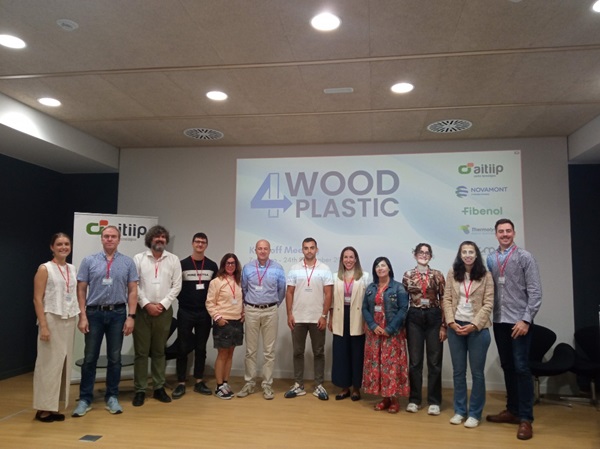
he project targets the packaging sector, focusing on producing an innovative thermoformed paper tray coupled with a biomaterial – ideal for food packaging. Two different technologies, extrusion coating and thermolamination, will be explored to achieve a product that ensures food preservation while also boasting superior environmental performance due to its sustainable feedstock.
Apart from the packaging sector, to demonstrate other ways to implement this innovative solution, the project also plans to produce bags for the collection of Organic Fraction of Municipal Solid Waste (OFMSW) and dehumidifiers. End-of-life scenarios will also be studied, including industrial and home composting, and repulping for further utilization.
With six partners from Estonia, Italy, and Spain, the project brings together experts from across Europe. Alongside Aitiip Centro Tecnológico, Novamont, Fibenol, Thermolympic, Dagoplast, and Cooperativa Cartai Modenese are contributing to the project’s success, combining their expertise to propel the bioplastics industry forward.